Sustainable wine
The second pillar. Equally important, and a different claim.
Sustainability certification measures what an estate does about water, energy, carbon, packaging and the people who work there. It is audited, it is meaningful, and it is completely separate from whether a wine was made with a light hand.
Which is why a sustainable wine on this site is never described as natural. Some of the most rigorously certified estates in the world make wine with cultured yeast, fining and a hundred milligrams of sulphur, and there is nothing dishonest about that unless somebody puts the word natural on it.
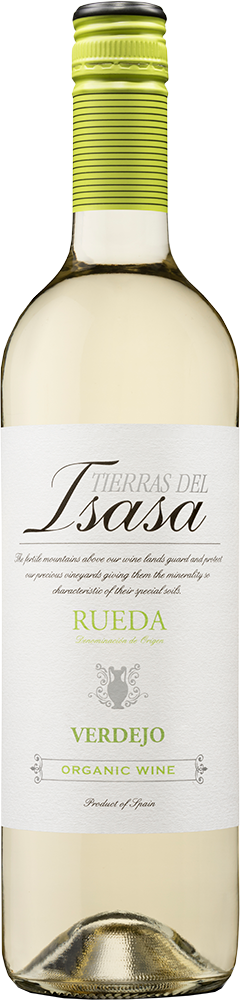
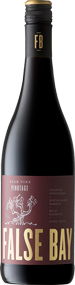
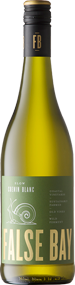
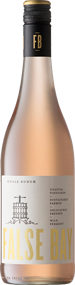
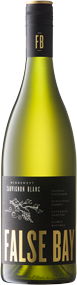
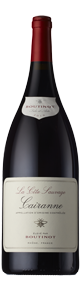
Bottle weight sits here too. A heavy bottle is the single largest carbon line in most wine, larger than the flight, and it is the one thing a merchant can actually see. We publish ours.

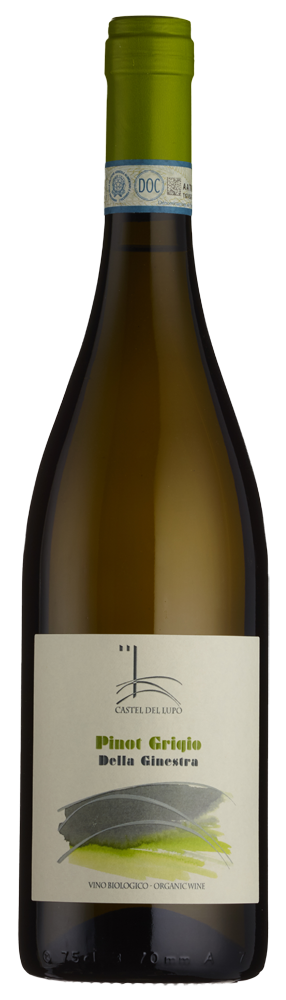
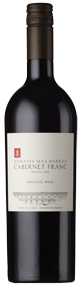
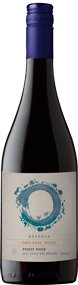
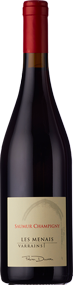
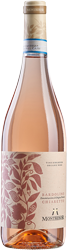
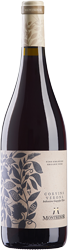
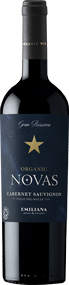
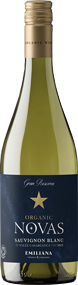
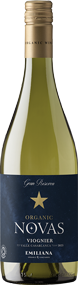
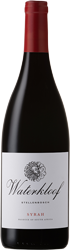
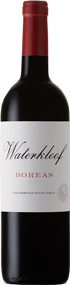
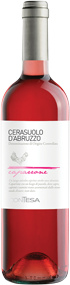
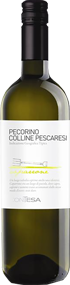

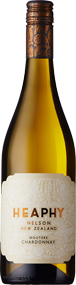
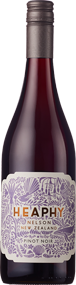
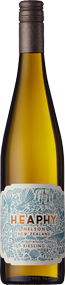
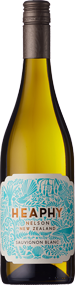

Questions
What makes a wine sustainable?
Sustainability certification looks at the whole operation rather than the vineyard alone: water and energy use, carbon, waste, packaging weight, biodiversity and labour conditions. Schemes include Sustainable Wine South Africa, Sustainable Winegrowing New Zealand, Certified Sustainable in Chile and HVE in France. They are audited, and they say nothing about winemaking.
Is sustainable wine the same as natural wine?
No, and we never present it as such. Sustainable is an environmental and social claim about how an estate is run. Natural is a claim about how the wine was made. A wine can be certified sustainable and conventionally made, and it can be natural with no certification at all.
Why does bottle weight matter?
Glass is usually the biggest single share of a bottle of wine's carbon footprint, ahead of shipping. A 550g bottle and a 1.2kg bottle hold the same wine. The Sustainable Wine Roundtable Bottle Weight Accord asks signatories to bring their average 75cl still wine bottle under 420g by the end of 2026, and we report our own average against it.