Natural wine
Low intervention wine, and the paperwork that says so.
Natural wine has no legal definition. Not in the UK, not in the EU, not anywhere. That is not a scandal, it is just the situation, and it means the word on a shelf talker is worth exactly as much as the person who wrote it.
So we do not ask you to take the word. Every wine on this page carries its own record: how the fruit was farmed and by whose certificate, whether the ferment ran on its own yeasts, the total sulphur in milligrams per litre, what it was fined with if anything, and whether it was filtered. Where a grower has not told us, the page says Not declared rather than guessing, and the wine drops a tier rather than borrowing a claim it cannot support.
We speak in low intervention because that is what most people mean when they say natural. Inside it sit the stricter tiers: Natural, which has to clear the whole Standard, and Zero Zero, which is fermented juice and nothing else.
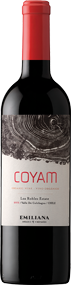
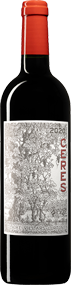
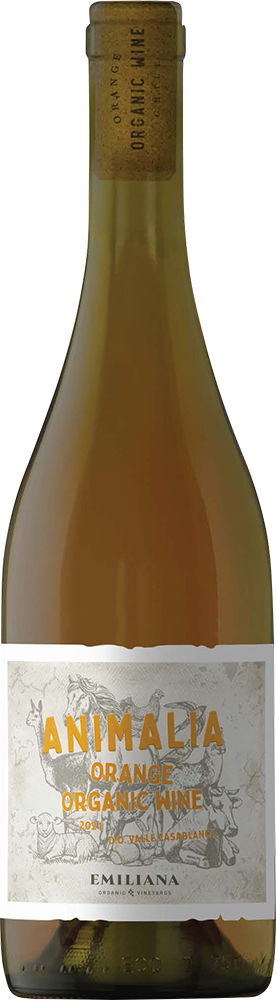
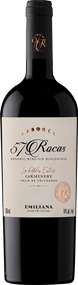
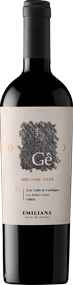
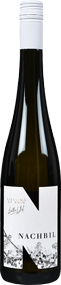
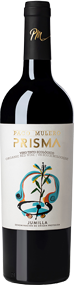
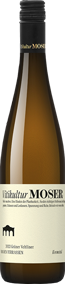
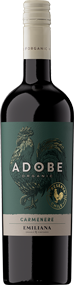
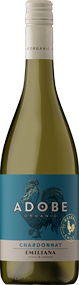
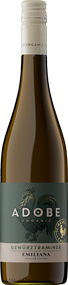
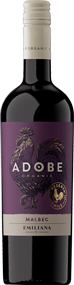
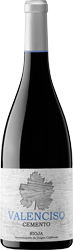
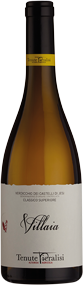
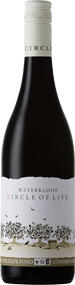
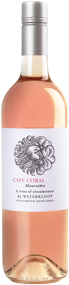
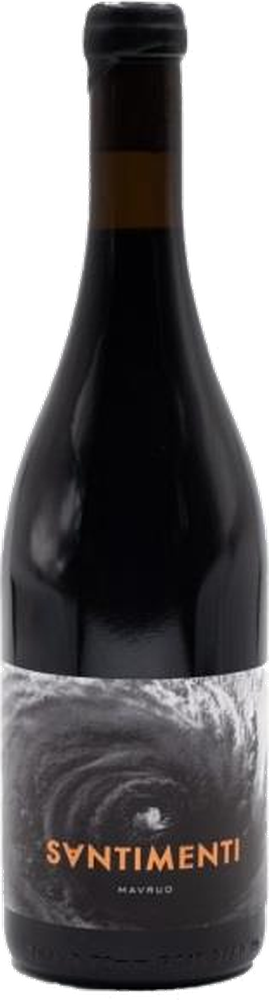
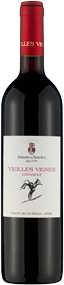
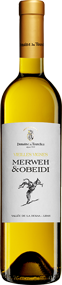
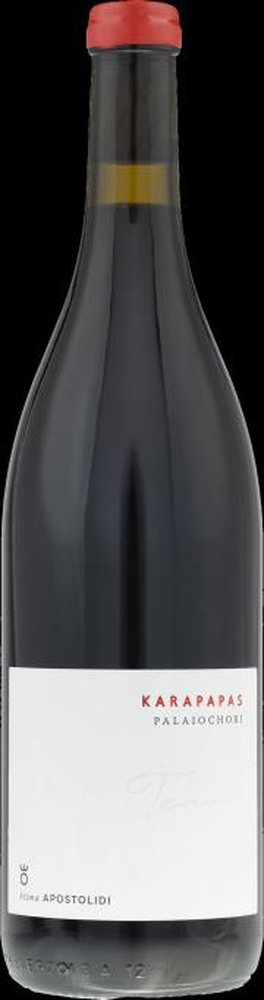
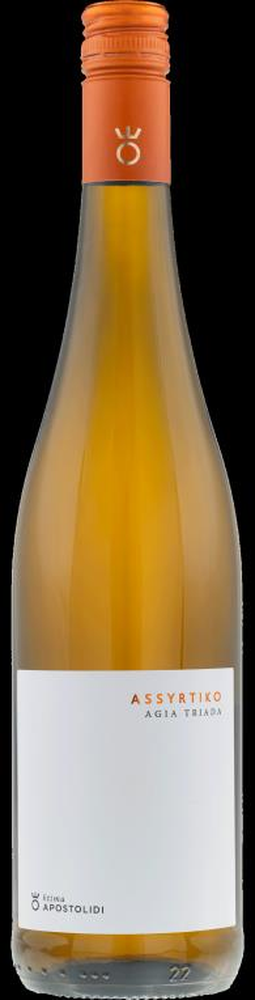
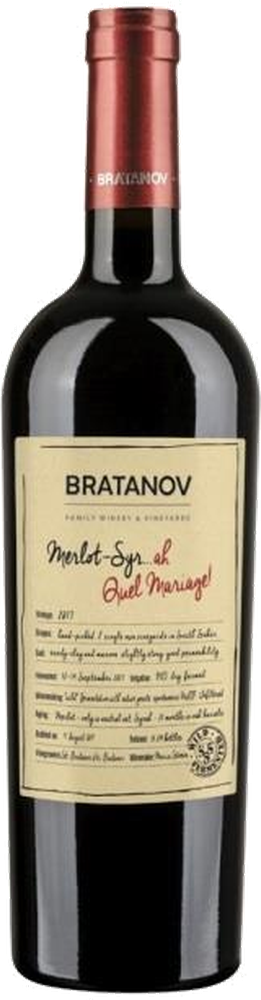
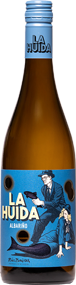
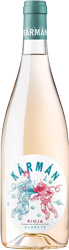
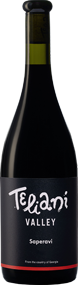
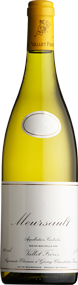
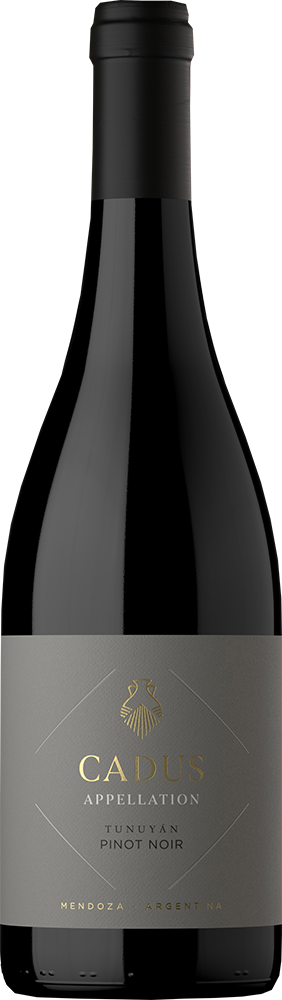
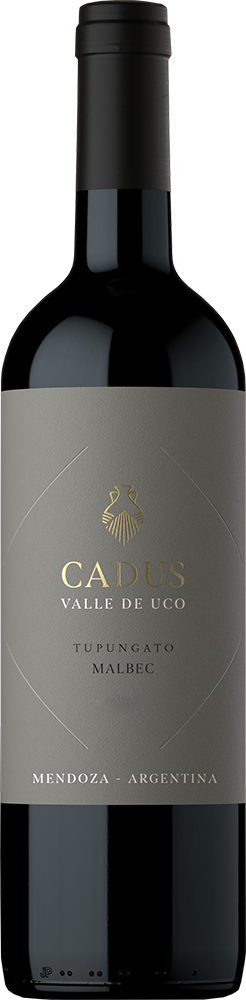
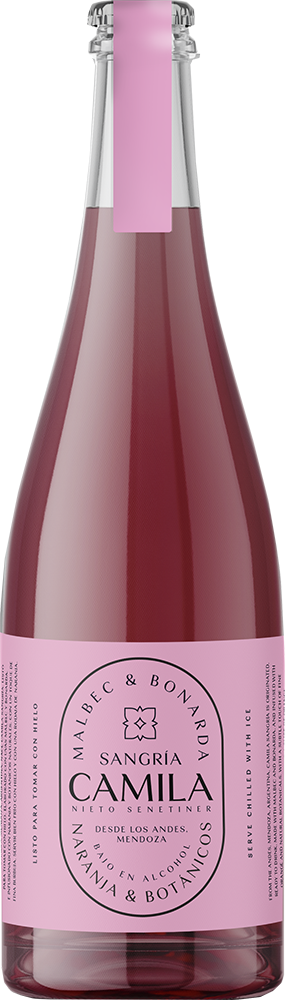
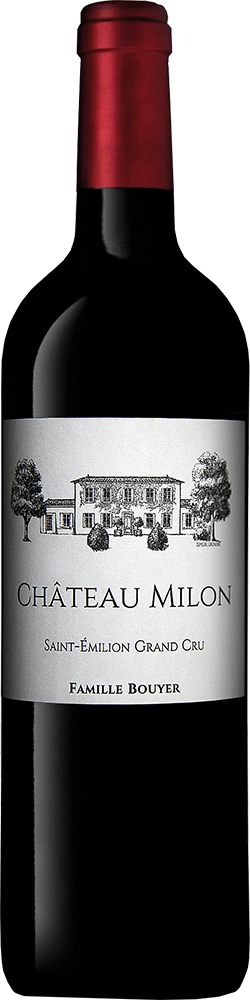
Questions
What is natural wine?
Natural wine has no legal definition in the UK or the EU. In practice the private charters agree on a common core: fruit farmed organically or biodynamically, hand harvested, fermented with the yeasts that came in on the grapes, no additives beyond a little sulphur, and a total SO2 ceiling. RAW WINE and Pure Wines both set that ceiling at 50 mg/l. Vin Methode Nature sets 30 mg/l.
How do you decide which wines count as natural?
The Broken Compass Standard has two axes. On farming, a wine qualifies for the shop if it is certified organic, certified biodynamic, certified sustainable, or practising organic alongside sustainable practice. On making, it is graded Zero Zero, Natural, Low intervention, Sustainable or Classically made. To be called Natural it needs organic or biodynamic fruit, indigenous yeasts, total SO2 at or under 50 mg/l and no animal fining. If any one of those is undeclared it is capped at Low intervention, because we will not promote a wine on a gap in the data.
Is natural wine the same as organic wine?
No. Organic is a farming certification, it is legally protected, and it says nothing about what happened in the cellar. A wine can be certified organic and still be filtered hard, fined with animal products and sulphured to 150 mg/l. Natural is a cellar claim on top of organic farming, and it is not protected by anyone.