Organic wine
Certified, practising, or not declared. Never blurred.
Organic is the one word on this site that carries the force of law. A wine can only be sold as organic in the UK if the grower and the winery are certified and inspected, which is why it is also the claim most often stretched by people who are not.
So we split it. Certified organic means a certificate exists and we name where the claim comes from. Practising organic means the grower farms that way and has chosen not to certify, which is common among very good small estates and costs them nothing but the logo. Where our source is the supplier data sheet rather than a certificate in our own file, the page says so in those words.
Organic covers the vineyard. What happened afterwards is a separate question, and every bottle answers it separately.
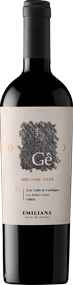
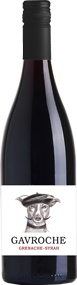
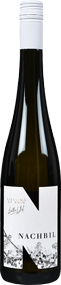
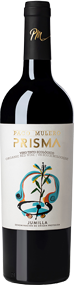
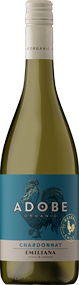
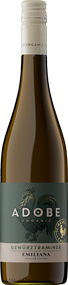
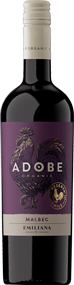
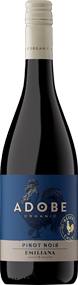
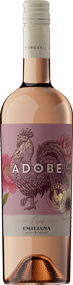
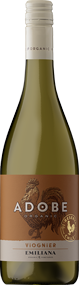
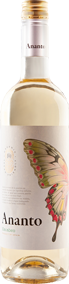
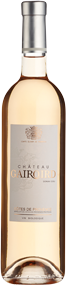
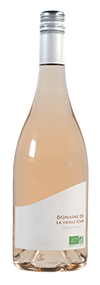
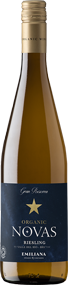
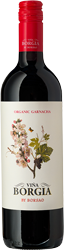
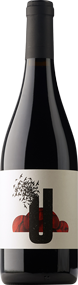
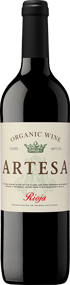
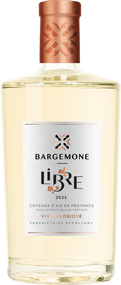
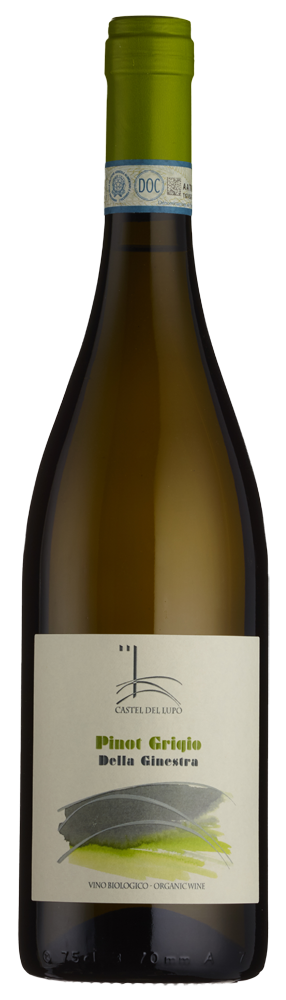
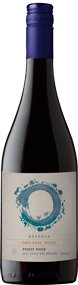
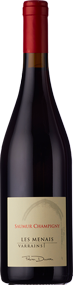
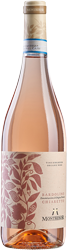
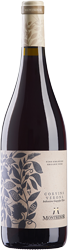
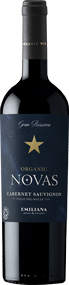
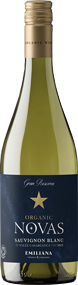
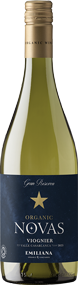
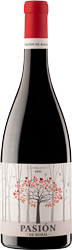
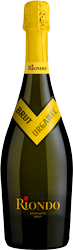
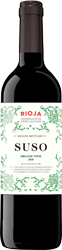
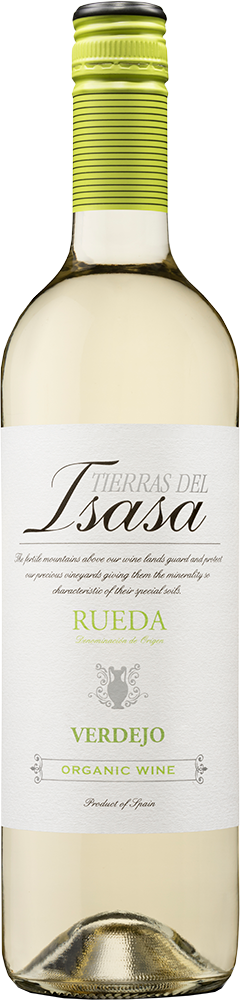
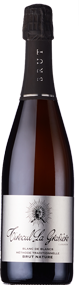
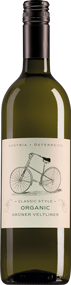
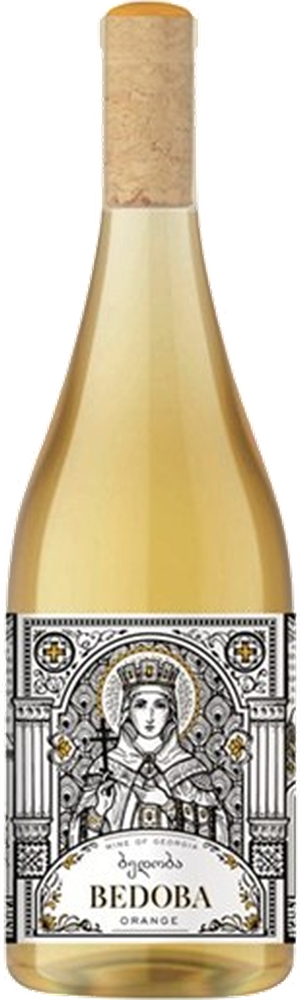
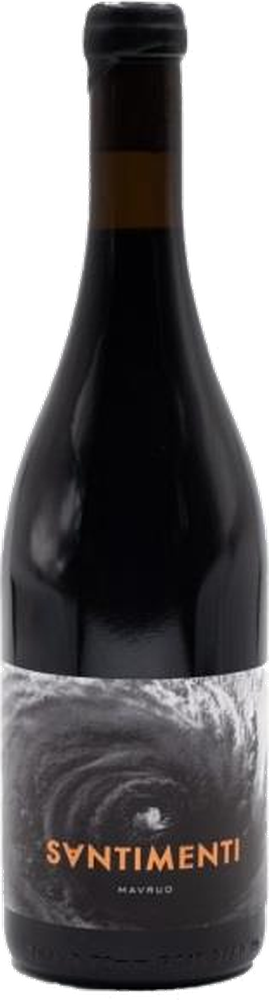
Questions
What does organic wine mean?
Organic wine is made from grapes grown without synthetic pesticides, herbicides or fertilisers, under a certification scheme that inspects the vineyard and the winery. In the UK and the EU the term is legally protected. Certified organic wine also has a lower permitted sulphur ceiling than conventional wine, though it is still far above what a natural wine would carry.
Does organic mean no sulphites?
No. Organic certification allows added sulphur, just less of it. Every wine also produces some sulphites naturally during fermentation, so no wine is truly sulphite free. If the sulphur figure is what you care about, the number in milligrams per litre is printed on each of our product pages.
Why do some of your organic wines say certificate to obtain?
Because we will not print a legally protected claim on someone else's word without saying whose word it is. Where our evidence is a supplier data sheet rather than a certificate held in our own file, the page says exactly that, and we chase the certificate.